Start exploring
these offers u to start voyage and become a part of the rich ancient indian history >>>
these offers u to start voyage and become a part of the rich ancient indian history >>>
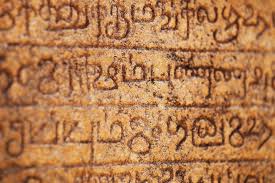
ancient inscriptions and edicts are regarded as the most reliable source of ancient history because they are generally free of myths and narrate the facts. Epigraphy is the study of inscriptions, while paleography is the study of old writing used in inscriptions and other old records. The first inscriptions discovered were written in Prakrit in the third century B. C. However, with the arrival of Ashoka-The Great, the practice of writing inscriptions became popular. Seals, stone pillars, pebbles, copper plates, temple walls and bricks, and pictures were all used to engrave inscriptions.
read more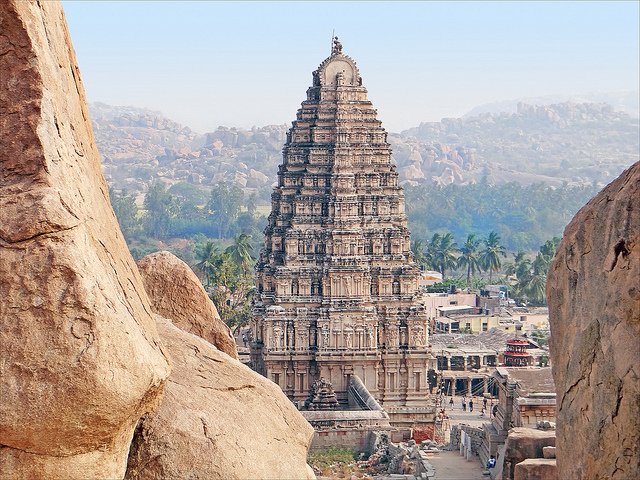
India is a powerhouse of history adorned by ancient ruins and architectural ruins like monuments and buildings. rulled by multiple dynasties embedded with vaeying culutre and traditions the country is an encyclopedia by iytself. such is its majestic historical valuew thr globerotters stay dazed and amazed while traversing throughvarious regions of countr there are several ancient ruins which speak about age old rich culutural and archaelogoical age old heritage of india even with their state of broken walls or castle and dilapidated image
read more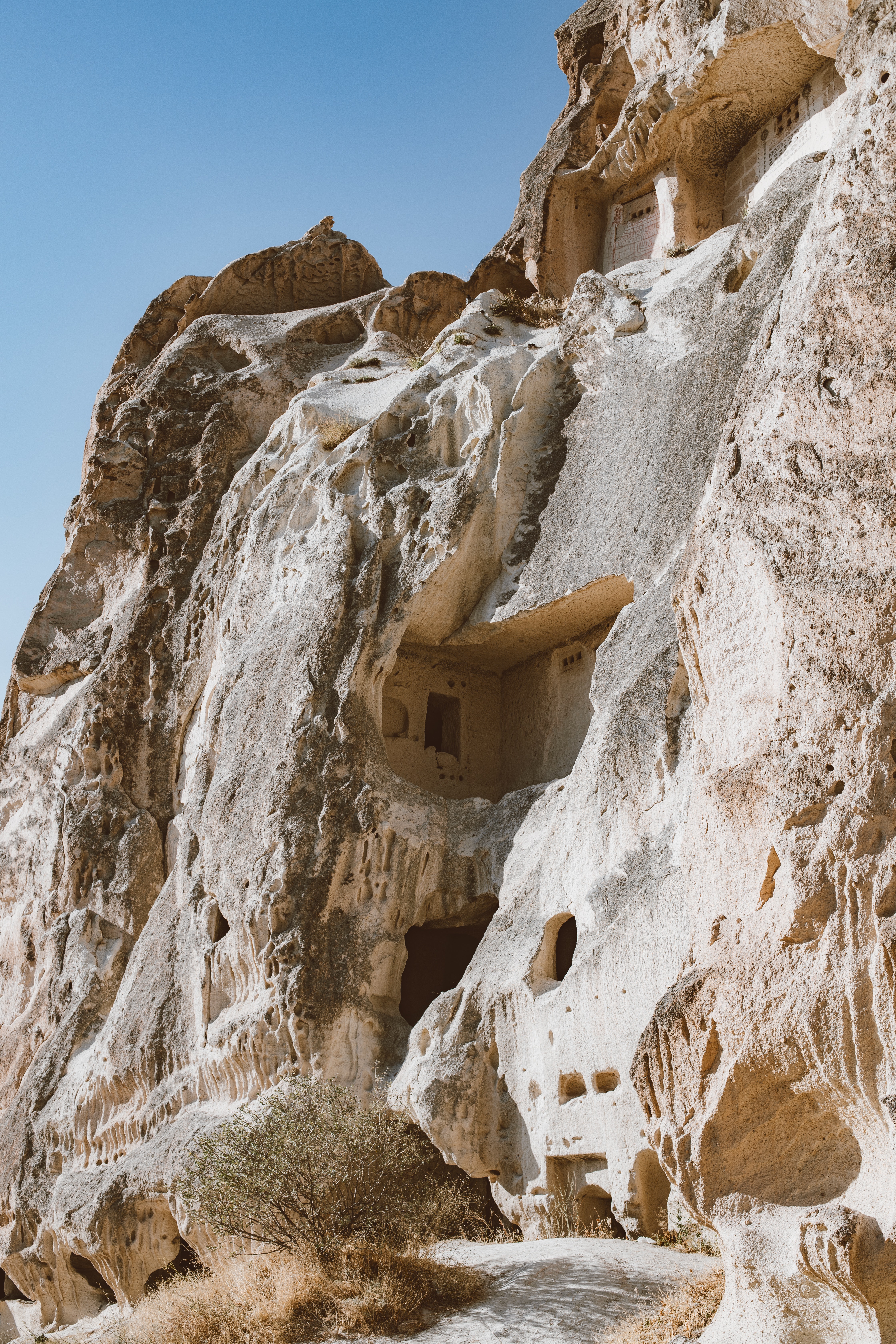
India civilization begins from riverbanks which is the Indus river and the Ganges river. India derives its name from the Indus river. Knowledge of Indian civilization has come from two leading cities: Mohenjo – Daro and Harappa. These cities are carefully planned where they had wide, straight streets lined with brick houses. These cities had elaborate drainage and sewer systems. Achievements in science and technology of ancient India are divided into few sub parts such as mathematics, astronomy and many more.
read more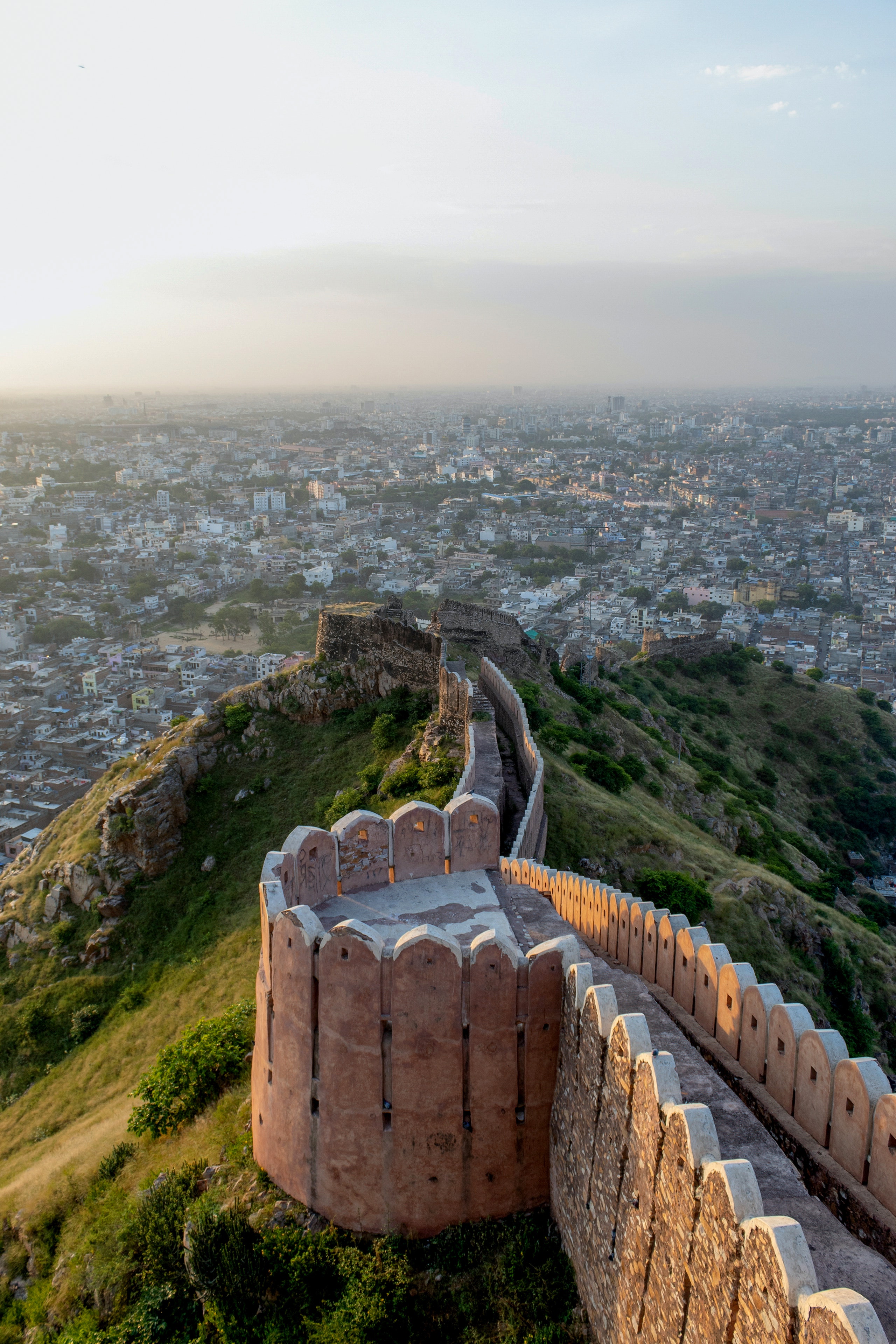
Rajasthan, the land of Rajahs and Maharajas is one of the most colourful states in the country. Be it the glorious history or the opulent lifestyle of its rulers, the state still echoes every bit in a distinct and unique way. With its enticing beauty and charm, it has overcome the hands of revolution and has successfully endured its rich cultural and traditional values till date. On a visit to this elegant state, one can easily witness the immortal bonding between its golden sands and civilization. Adding more to the charm of this colourful state are its elegant forts, palaces, havelis and other statures; the state is the home to some of the most beautiful and largest forts and palaces in the world.
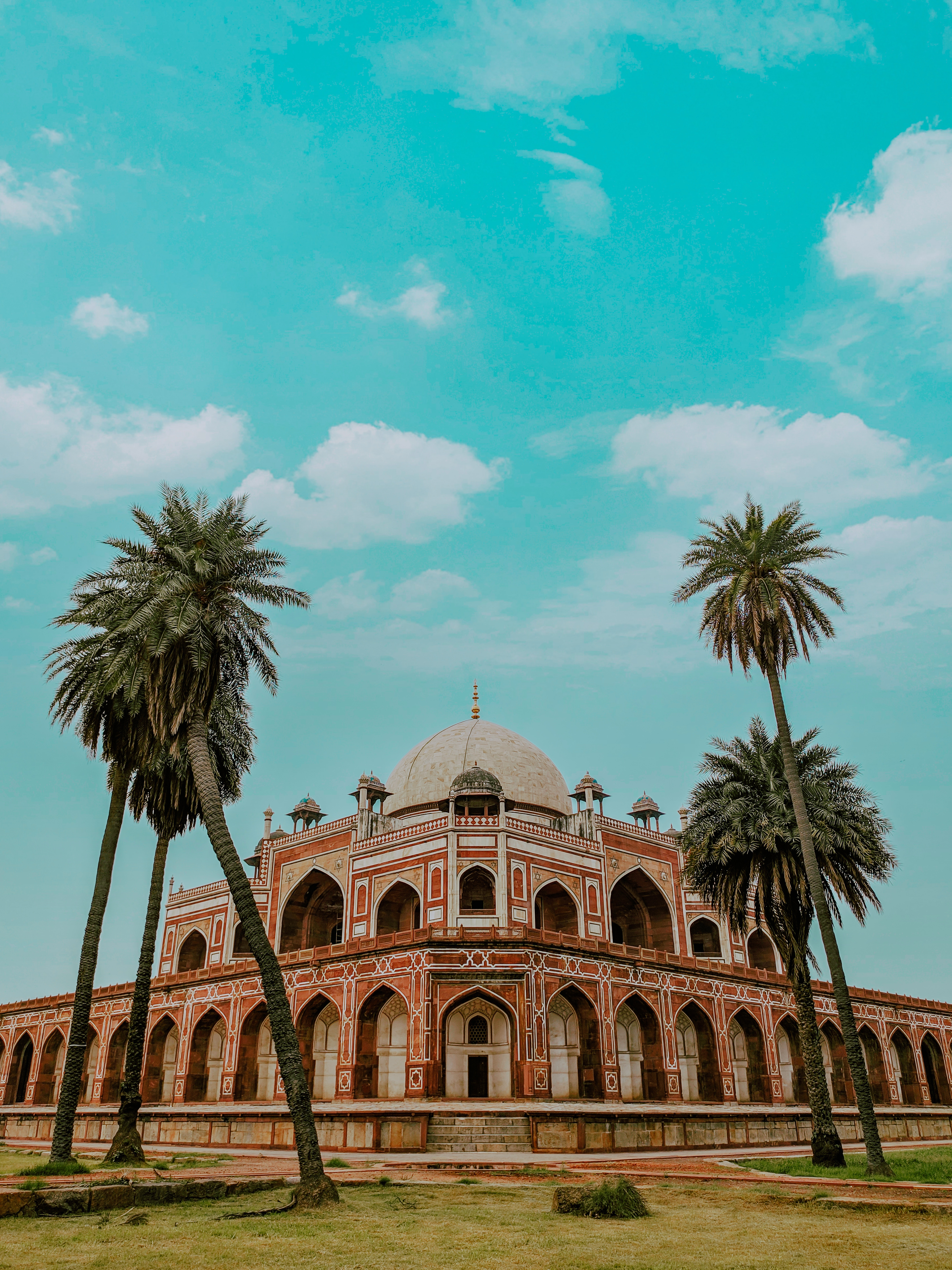
Boasting cultural diversity and rich heritage, Delhi is home to several temples, tombs, gardens, forts, museums, markets and more. We take you to some of the best spots in the city. Pick the best packages from here and enjoy the tour of Delhi with guide.
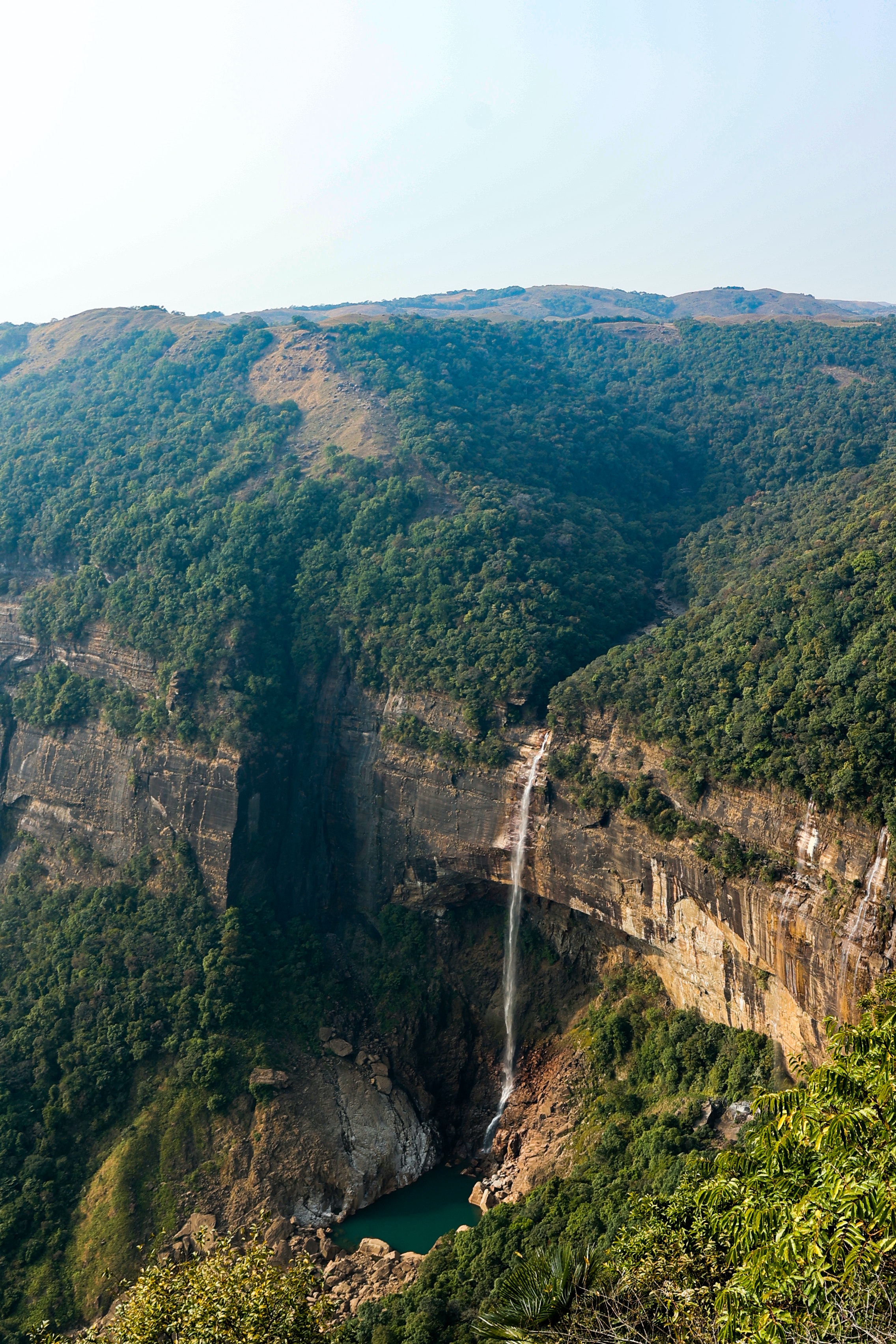
Commonly known as the “Land of Seven Sisters”, North-East India is the easternmost region of the country. North-East India is a rendezvous of multiple communities, faiths, and cultures. Today it comprises 8 states namely Arunachal Pradesh, Assam, Manipur, Meghalaya, Mizoram, Nagaland, Tripura - often called “The Seven Sisters”, and Sikkim - referred to as the “Brother” to the seven states. It is believed that these specific names were given to this region due to their interdependence on each other. North-East India is officially part of the North Eastern Council (NEC), constituted in 1971 as the nodal agency for the development of the northeastern states. The entire region is connected to the mainland through a narrow strip of land known as the “Chicken Neck”, which was created in 1947. The city of Guwahati in Assam is regarded as the “Gateway to the North-East”. Bestowed with rich natural resources, history, culture, and traditions, Northeast India is a reservoir of bewitching diversity.
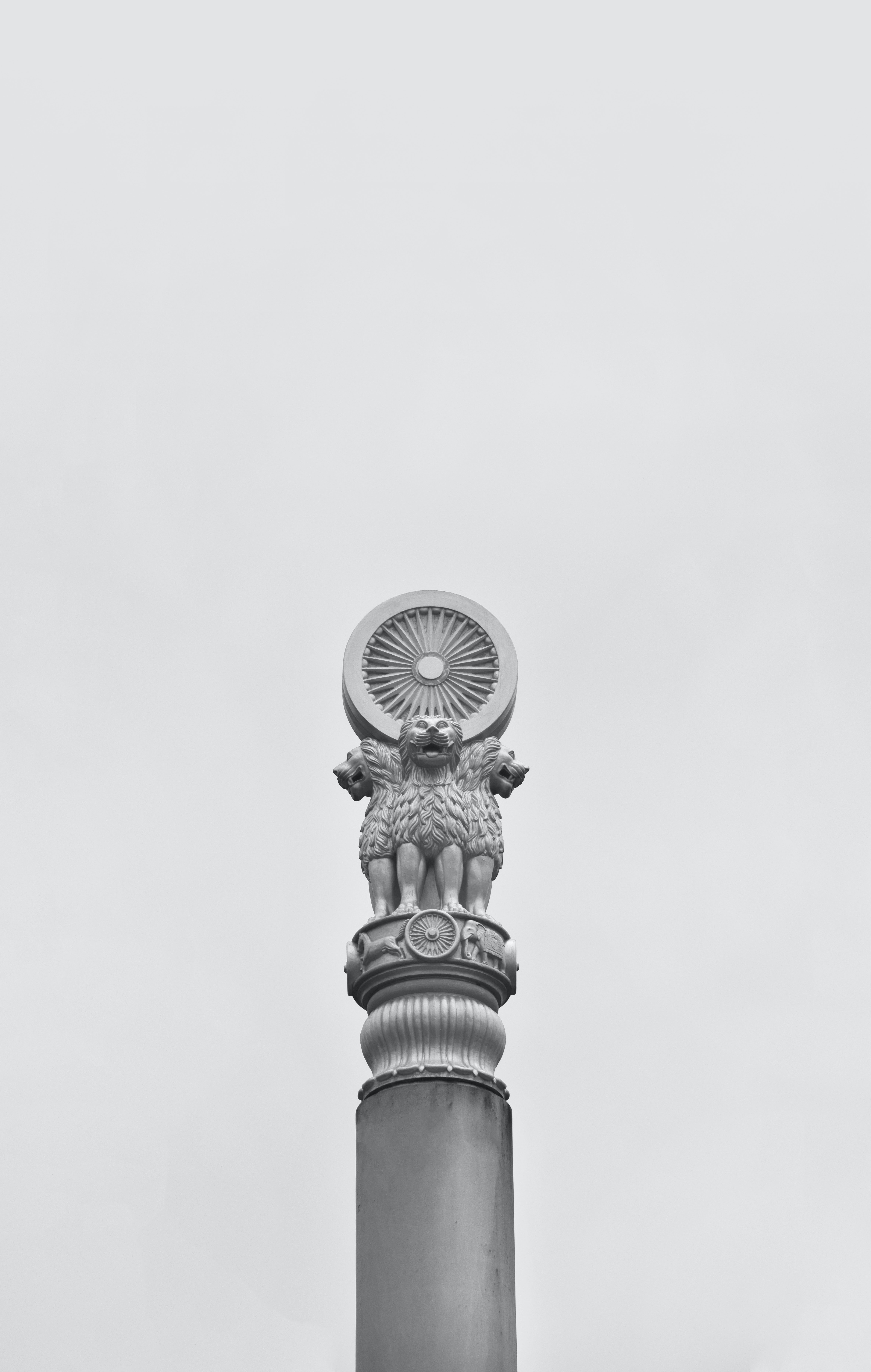
The study of inscriptions is known as epigraphy and an inscription is anything written or engraved on something such as stone, wood, metal, ivory plagues, bronze statues, bricks, clay, shells pottery etc. Epigraphy includes deciphering the text of inscriptions and analyzing the information they contain. It also includes paleography that is the study of ancient writing. The first literary reference to writing and written documents occur in Buddhist Pali texts, especially the jatakas and Vinayapitaka. The brahmi of Ashokan inscriptions seems a fairly developed script and must have had a prior history of at least a few centuries. Recently important direct evidence that Brahmi existed in pre-mauryan times has come from Anuradhapura in Sri Lanka, where excavations unearthed potsherds with short inscriptions (probably names of people) that can be dated to at least the early 4th century B. C.
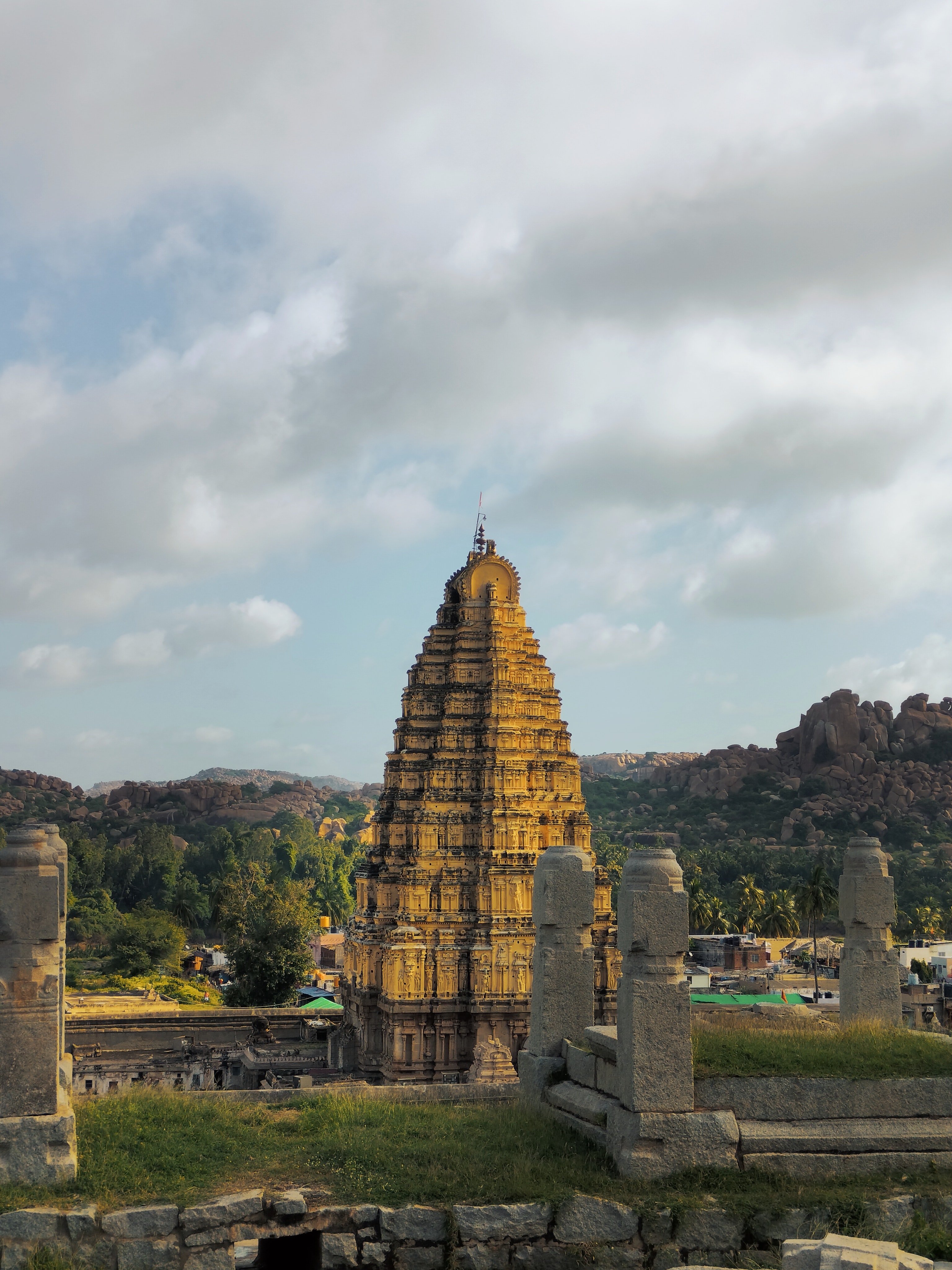
South India is full of wonder, colour, history, culture, and everything beautiful in between! From hills to beaches and forts to temples, this part of India has it all. he history of southern India spreads over a span of more than four thousand years, during which the region witnessed the rise and fall of a number of empires and dynasties and empires. The most important dynasties that were at their peak during various periods of history are Cheras, Pandyans, Cholas,Travancores, Chalukyas, Sathavahanas, Pallavas, Hoysalas, Kadambas, Wodeyars, Rashtrakutas, Kakatiyas, and the Vijayanagara Empire.
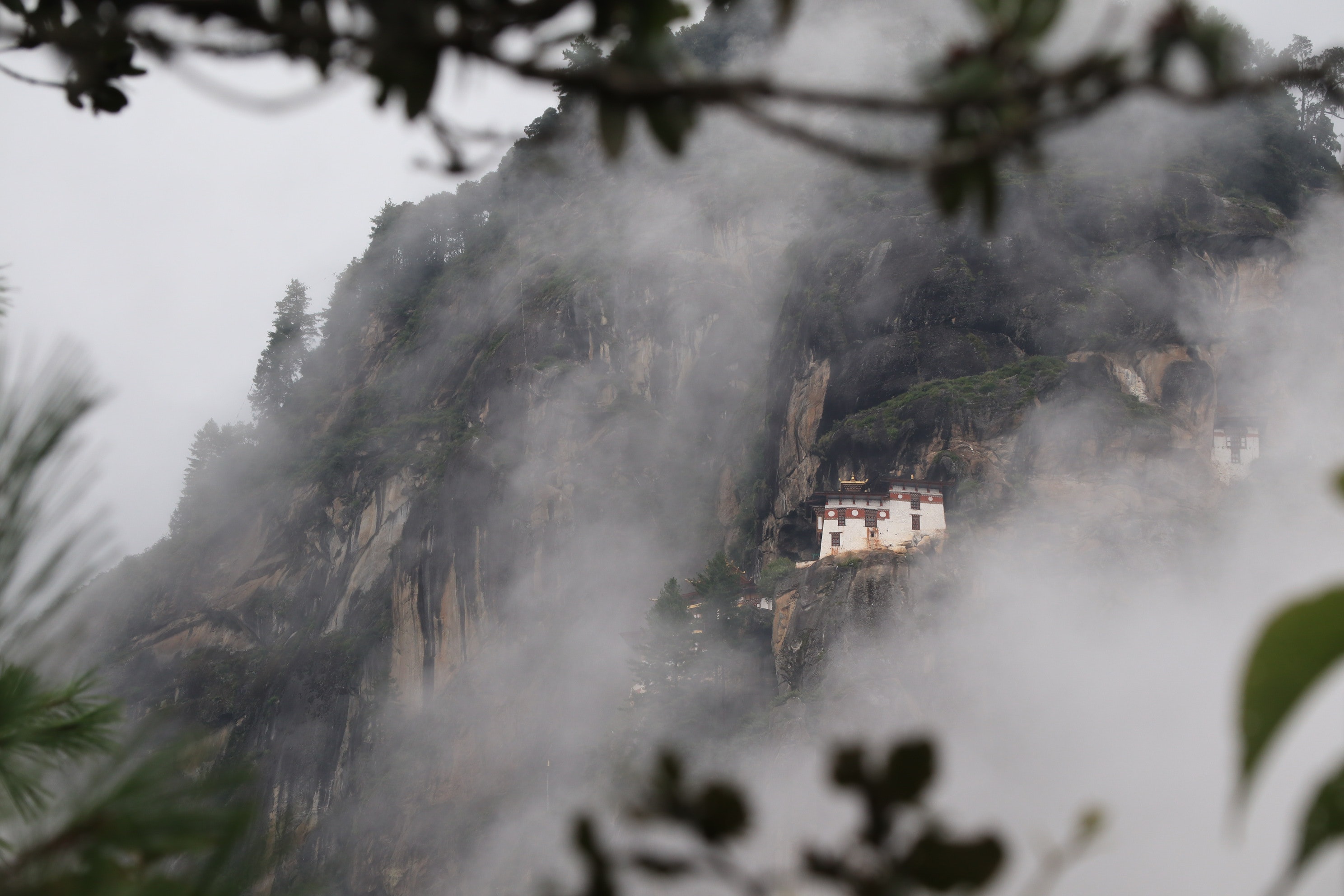
Significance of Himalayan mountains to India are mainly classified as climatic influence ,defence, source of rivers , fertile soil ,agriculture, tourism, hydroelectricity, forest wealth ,minerals and pilgrimage. The Himalayas save our country from the cold and dry winds of Central Asia. The Himalayan ranges is the great source of all the great rivers of India. In the Himalayas, all the beautiful hill stations are located. Like in Northern India such as Srinagar, Shimla, Kulu, Manali, Dharamshala , Dehradun , Nainital. Himalayas also provide many useful herbs which are used as medicines. The Himalayan forests also provide firewood and a large variety of raw material for forest based industries. The Himalayan forests provide shelter to many kinds of wild animals and birds. They also protect us from the cold winds coming from the north. The rivers which are originating from the Himalayas carry fertile soil from the mountains to the plains.